News
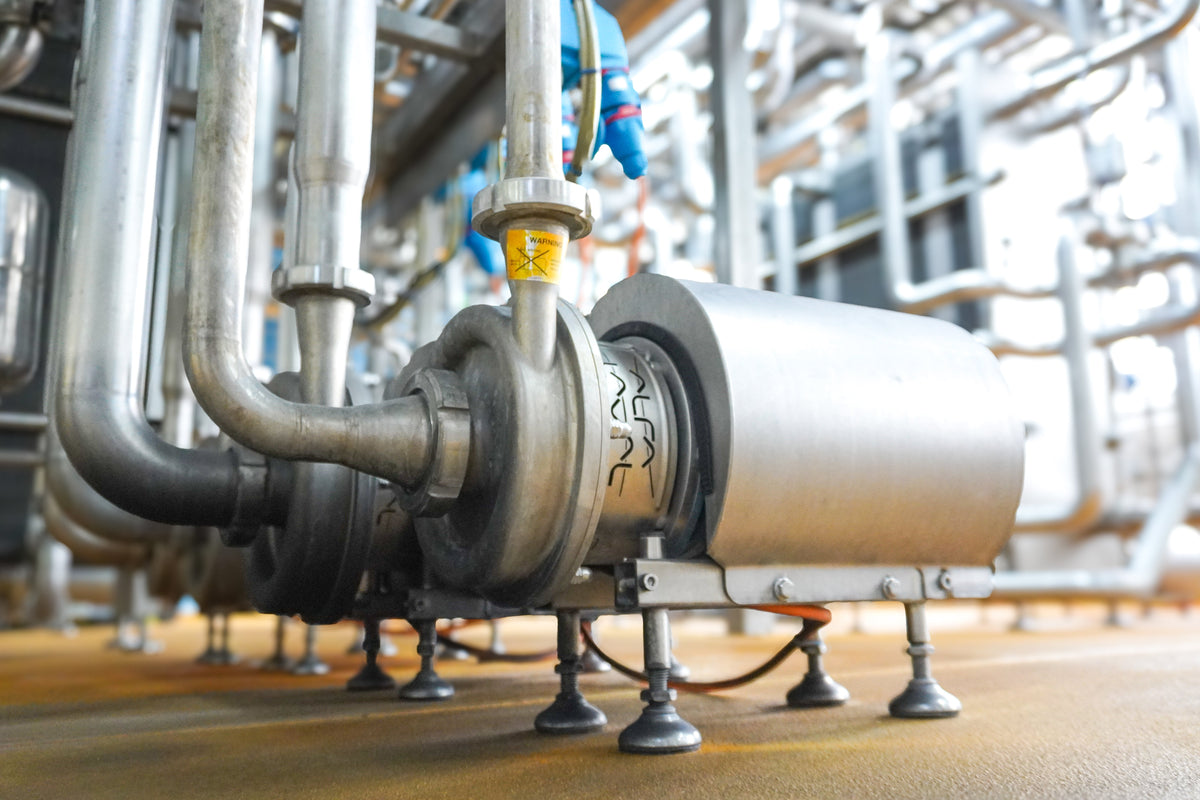
Dead legs, crevices and contamination: hygienic pump design explained
Hygienic pump design is the deliberate combination of internal geometry, surface finish, and material selection that lets every wetted surface be fully...
Read more
→

Heat transfer coefficient: what it is, why it matters, and how it drives heat exchanger design
The heat transfer coefficient is a measure of how effectively heat passes through a barrier — such as a metal plate —...
Read more
→
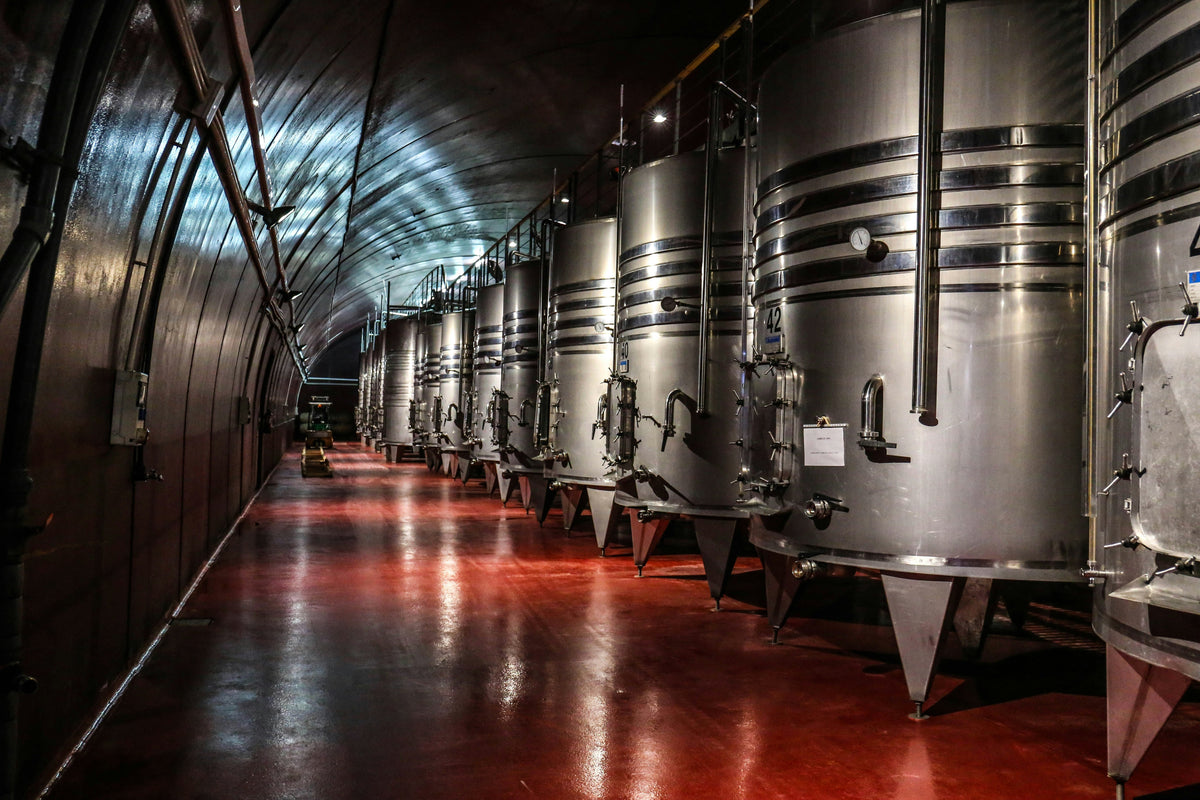
Lager fermentation temperature
Lager fermentation temperature is the narrow thermal window—typically 7–12 °C—maintained while bottom-fermenting yeast converts wort sugars into alcohol and carbon dioxide. Holding...
Read more
→
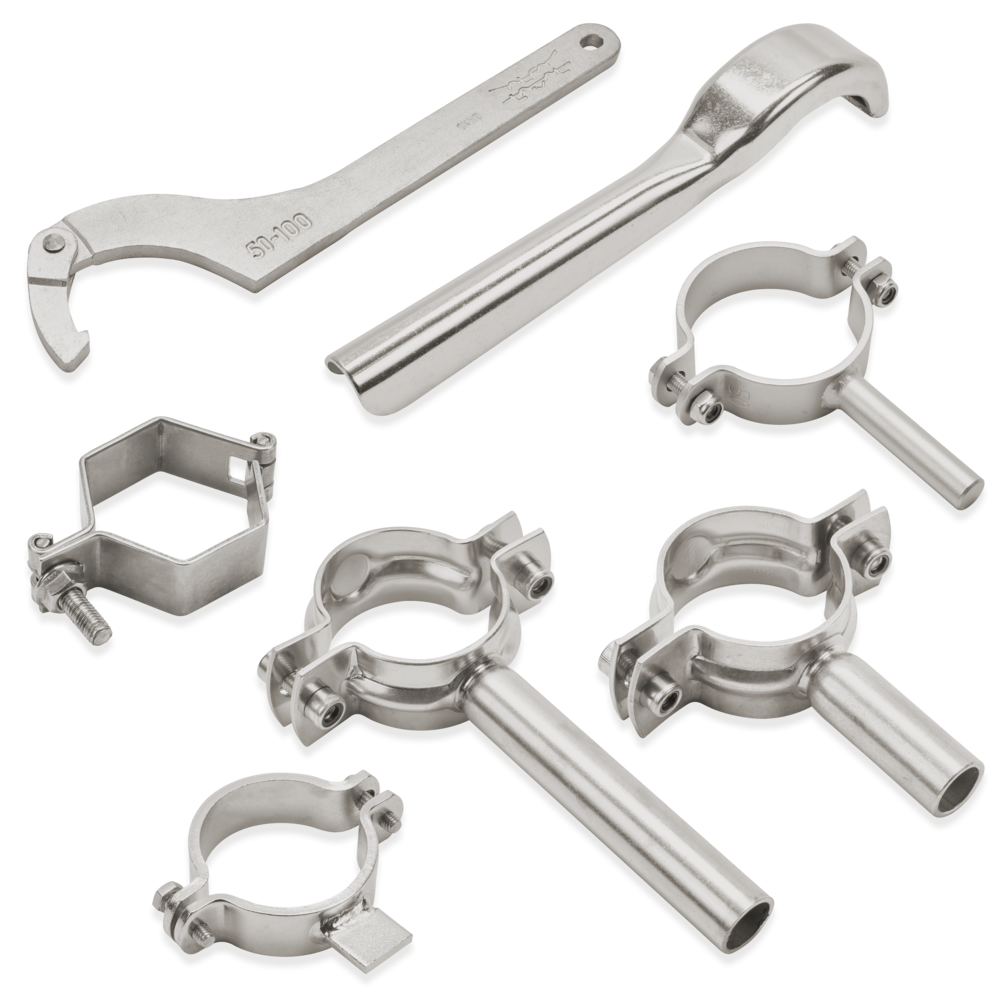
ISO EN 10357-D: hygienic tube dimensions, materials, and specifications
ISO EN 10357-D is the part of the European EN 10357 standard that defines dimensions, tolerances, surface finishes, and material requirements for...
Read more
→
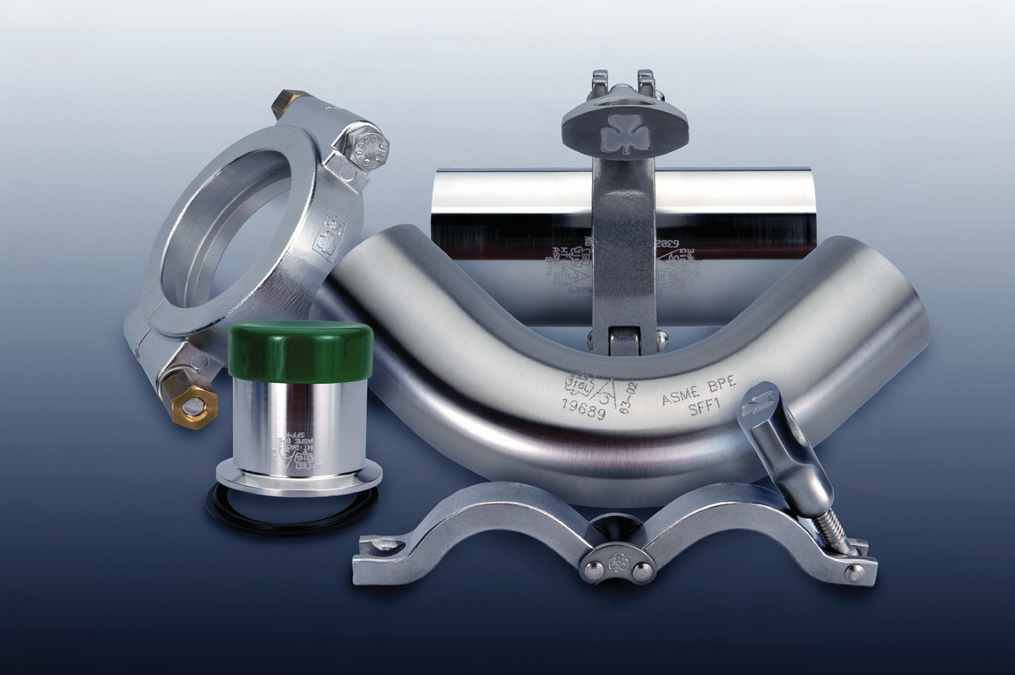
Tri-Clover Fittings: Guide to Sizes, Gaskets, and Hygienic Standards
A tri-clamp is a sanitary clamp connection that joins tubing and fittings in hygienic process systems. It consists of three components —...
Read more
→
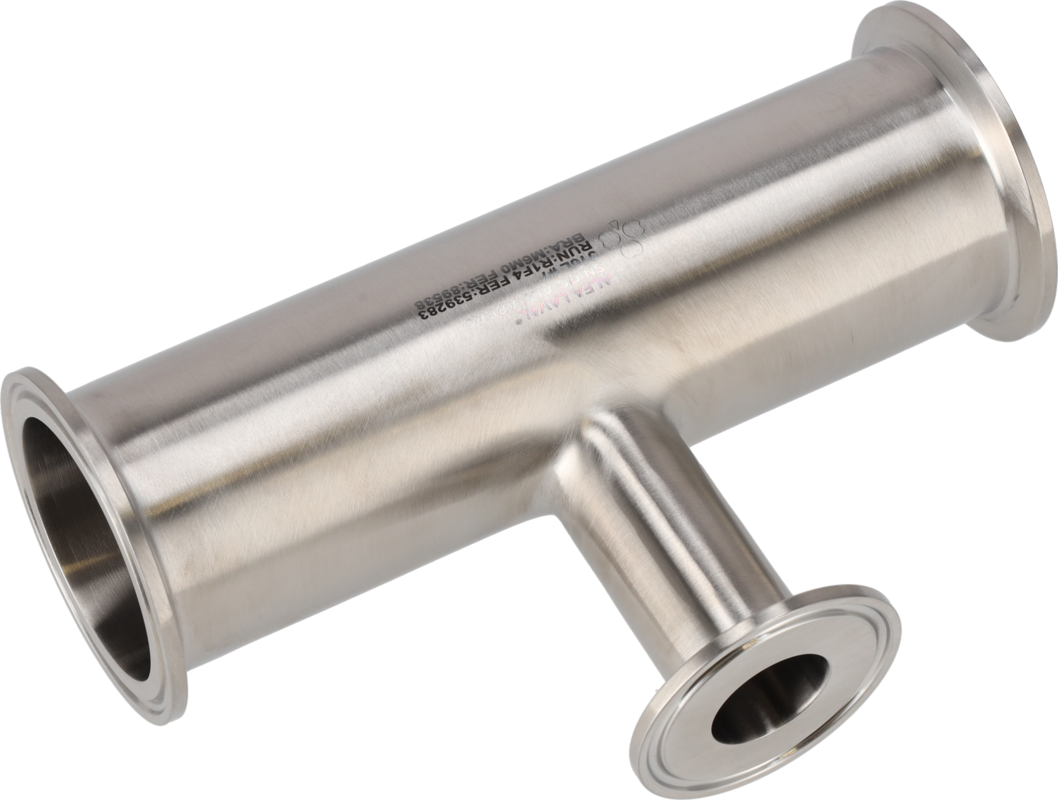
3-A Hygienic Standards
3-A Sanitary Standards are a set of voluntary standards that govern the design, materials, and fabrication of equipment used in food, dairy,...
Read more
→
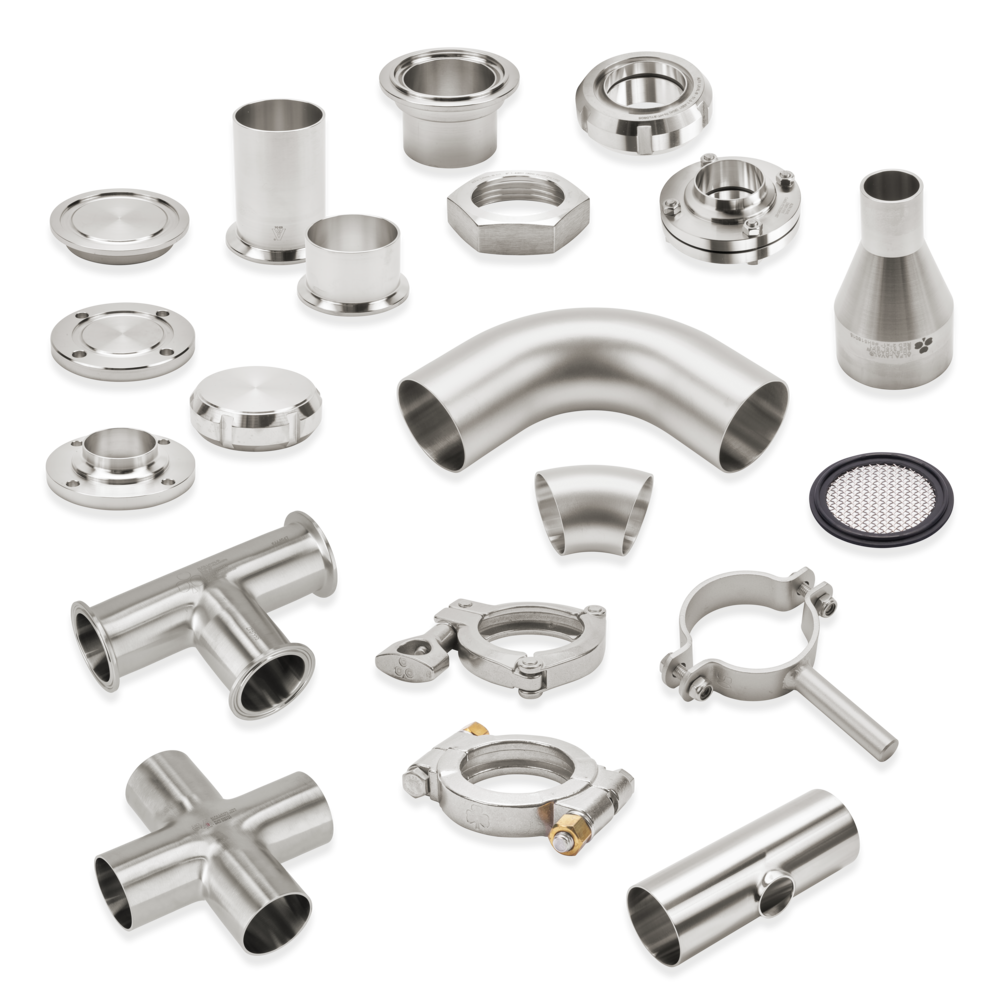
BS 4825 Hygienic stainless steel tube standard
BS 4825 is a British Standard that specifies requirements for hygienic stainless steel tubes, fittings, and clamp connections used in food, dairy,...
Read more
→

Condition based maintenance
Condition based maintenance is a strategy that triggers service work based on the actual measured state of equipment rather than on a...
Read more
→